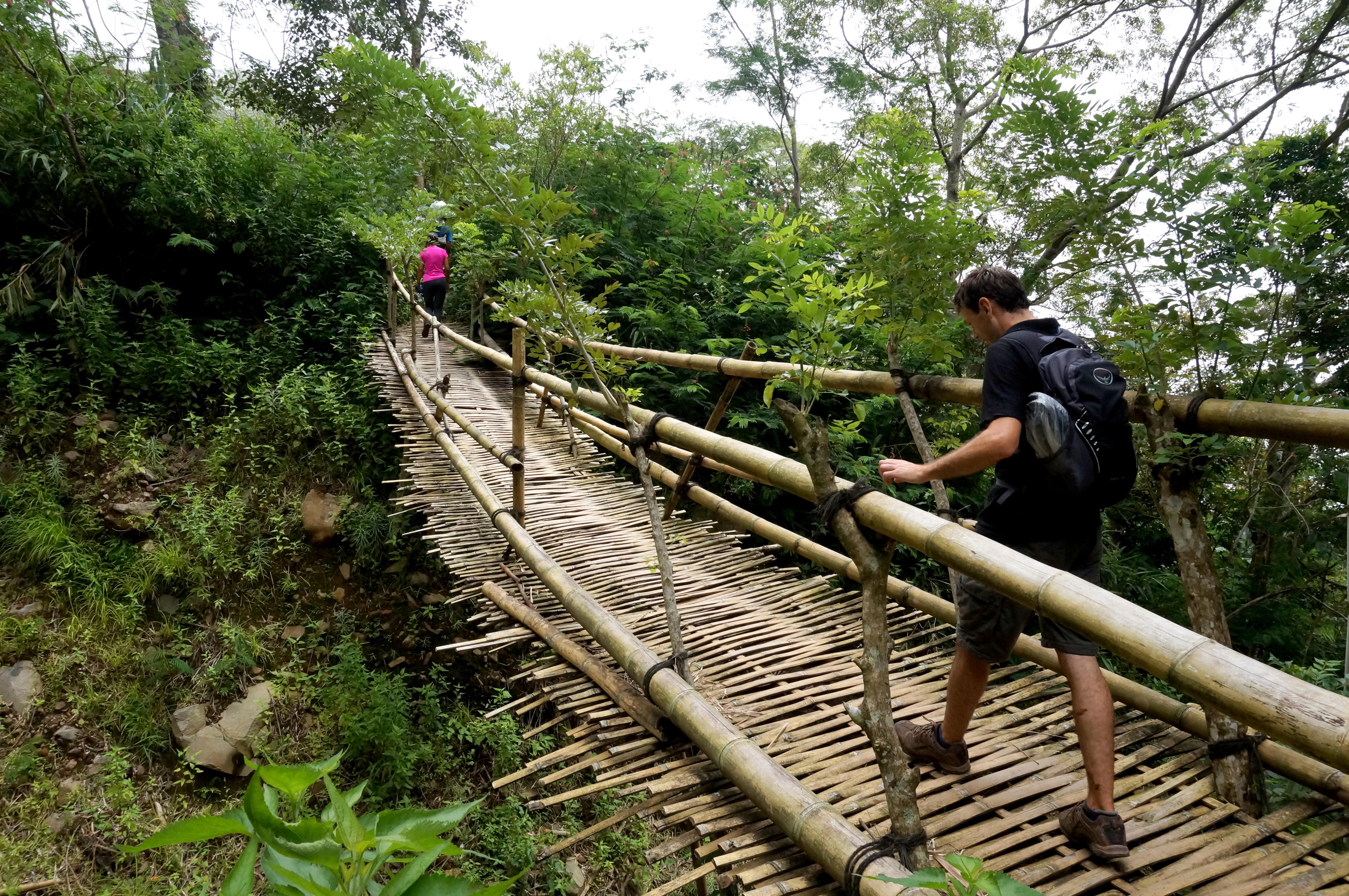
Nestled in an isolated corner of the world, Wae Rebo is a small, enchanting village located at an altitude of approximately 1,100 meters above sea level. To reach this remote gem, you embark on a journey of endurance, trekking for 3-4 hours on foot from Denge Village through the untouched landscapes of West Flores.
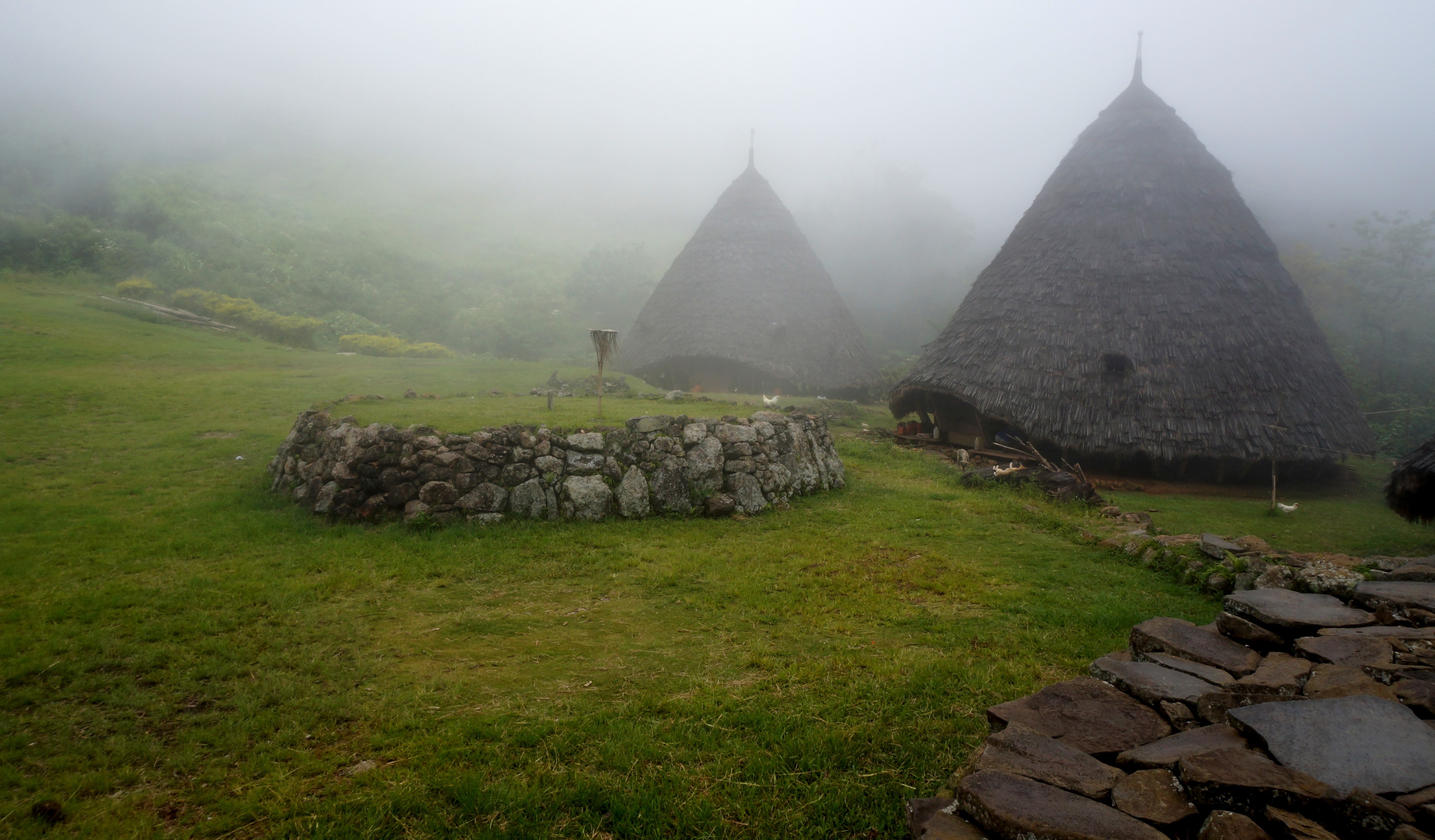
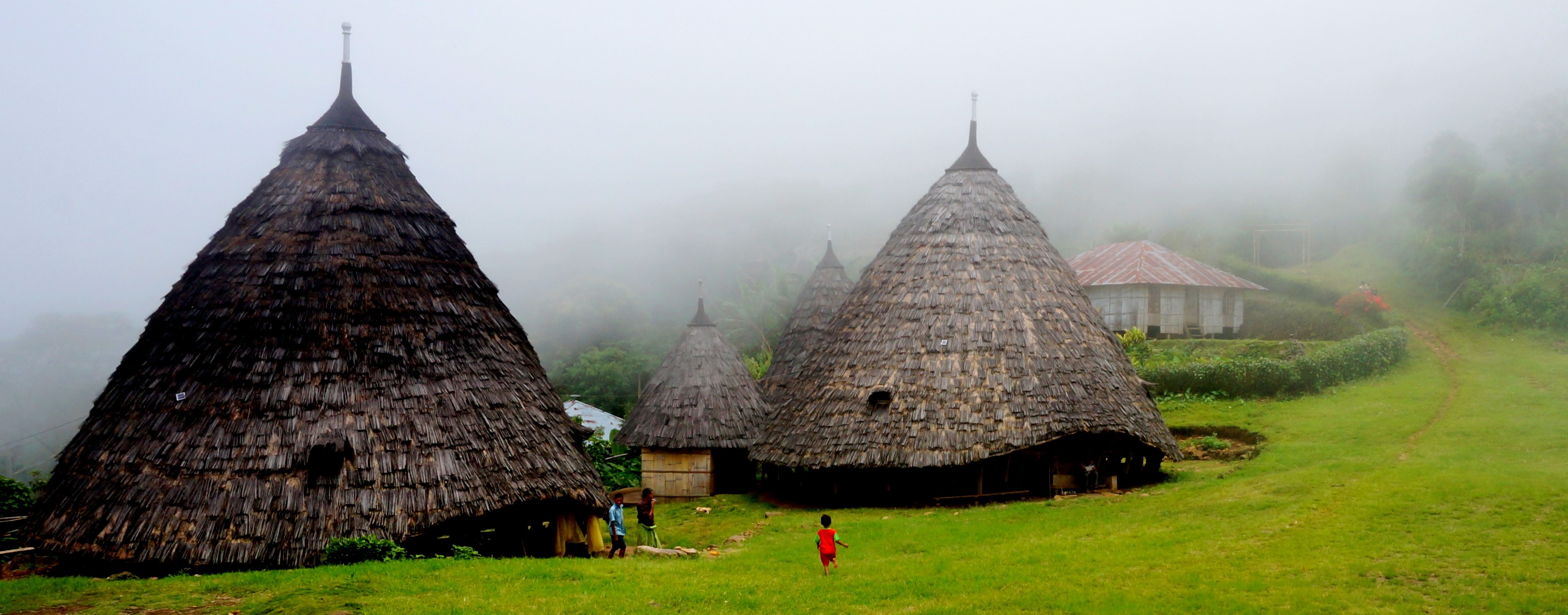
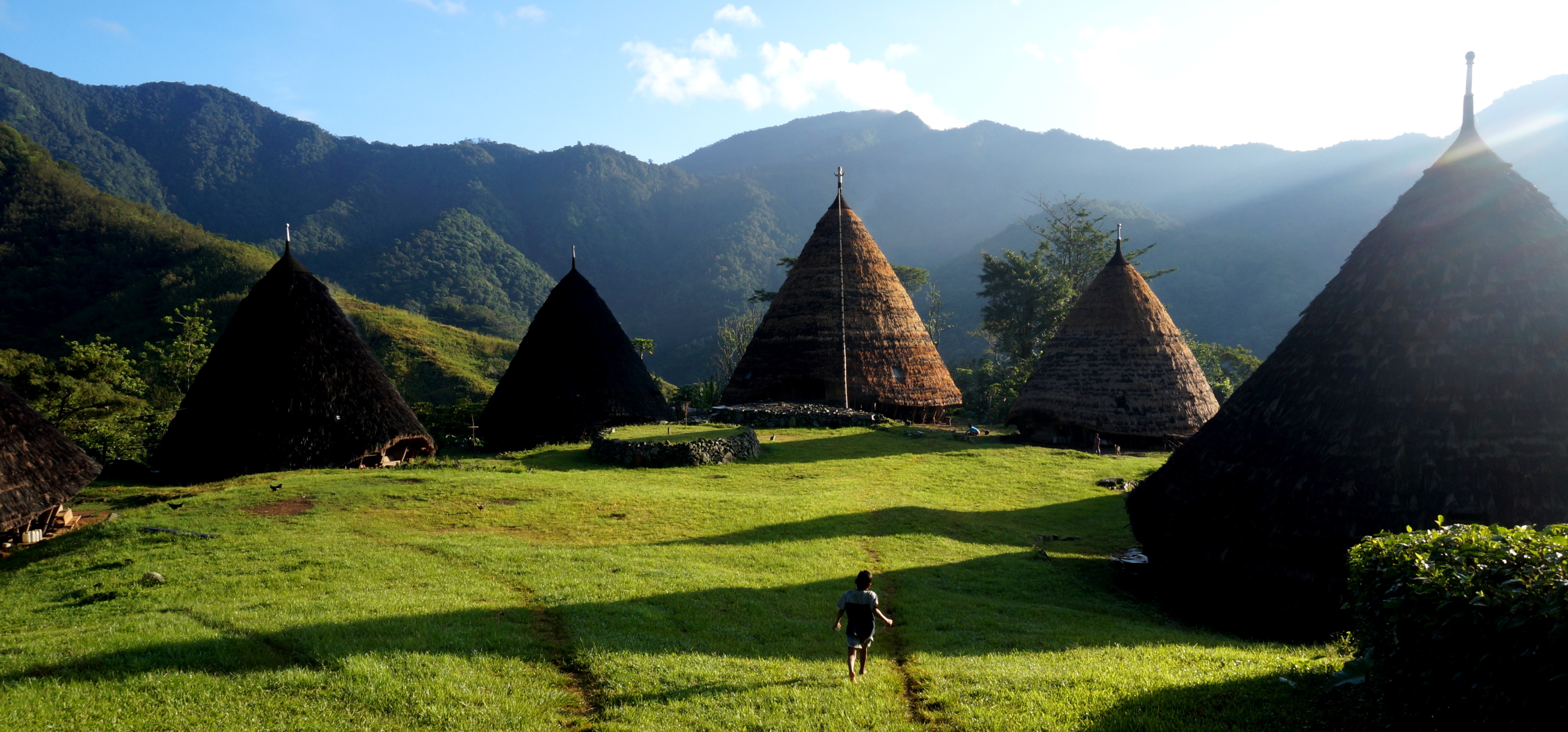
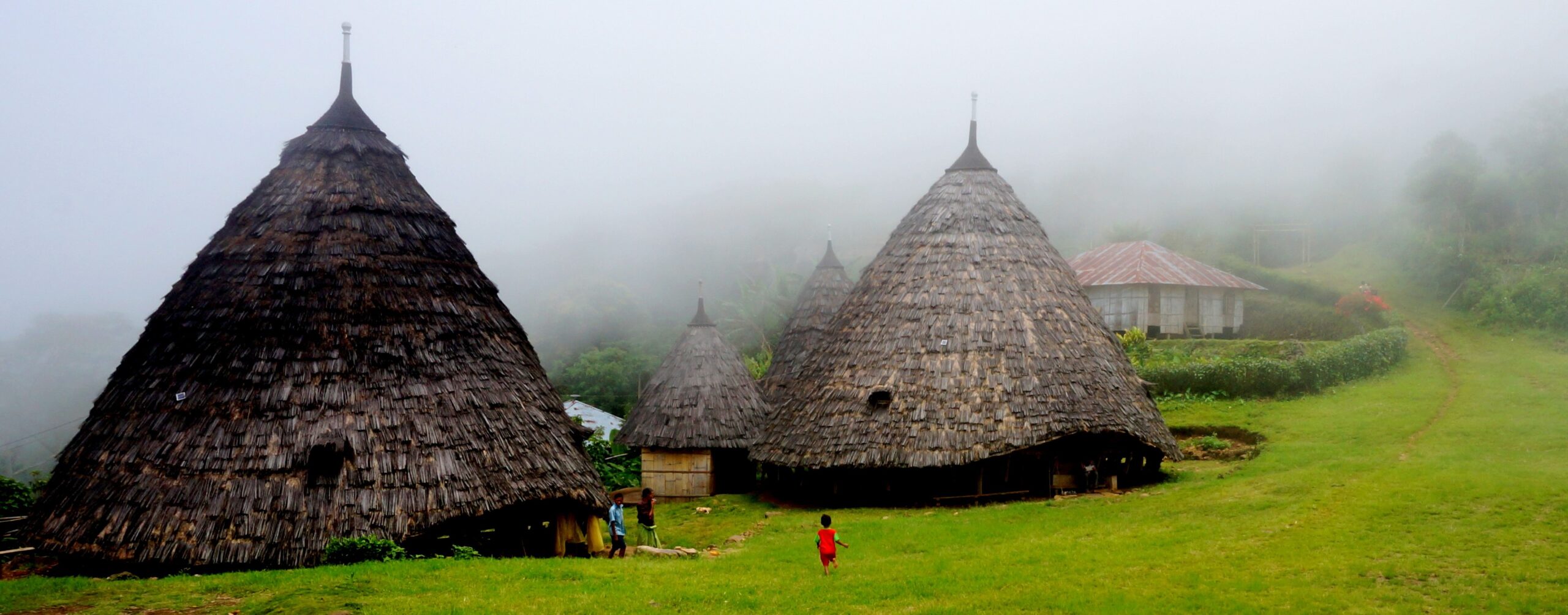
Wae Rebo is cocooned by a dramatic panorama of mountains, where the dense Todo forest weaves a natural tapestry around the village. Its distinctiveness lies in its most prized possession – the Mbaru Niang houses, the heart and soul of Wae Rebo’s cultural heritage.
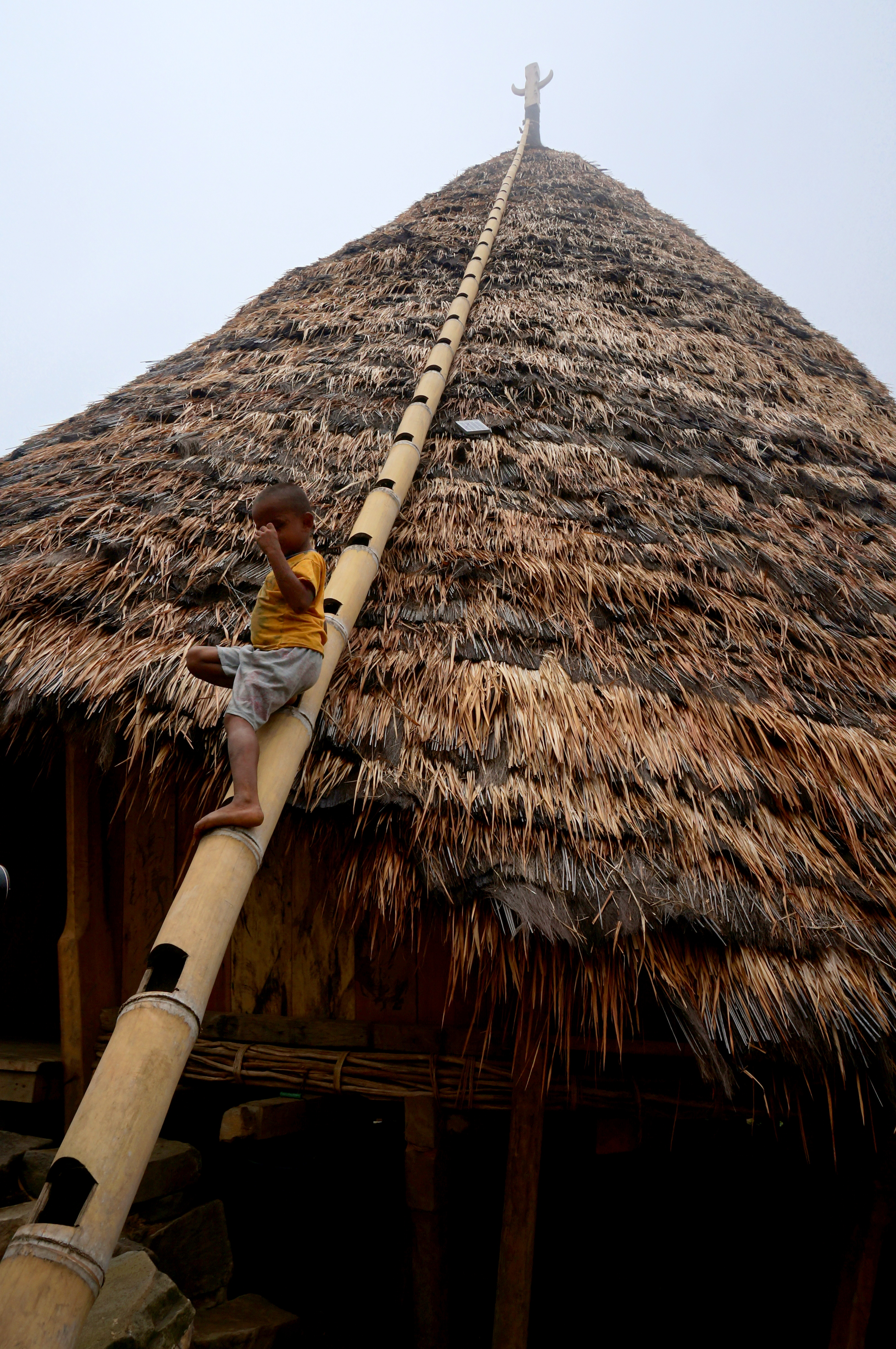
These unique houses are true architectural marvels, featuring towering conical structures. What sets them apart is their construction, from rooftop to ground, entirely swathed in lontar thatch, creating a seamless connection with nature. The Mbaru Niang houses serve as a living testament to the indigenous culture and traditions of the Manggarai people.
Wae Rebo’s serene and unspoiled beauty, along with its remarkable Mbaru Niang houses, provides an unforgettable experience if you venture into its remote embrace. This village stands as a tribute to the enduring spirit of tradition and the timeless allure of nature’s wonders.
Wae Rebo Diary: Indonesia, Flores 16th March, 2014
Today, I embarked on a journey to a place frozen in time, Wae Rebo, a village that has only recently opened its doors to visitors, offering a truly traditional experience. Nestled deep within the heart of Flores, it’s a sanctuary of old-world customs and a lifestyle that remains untouched by modernity.
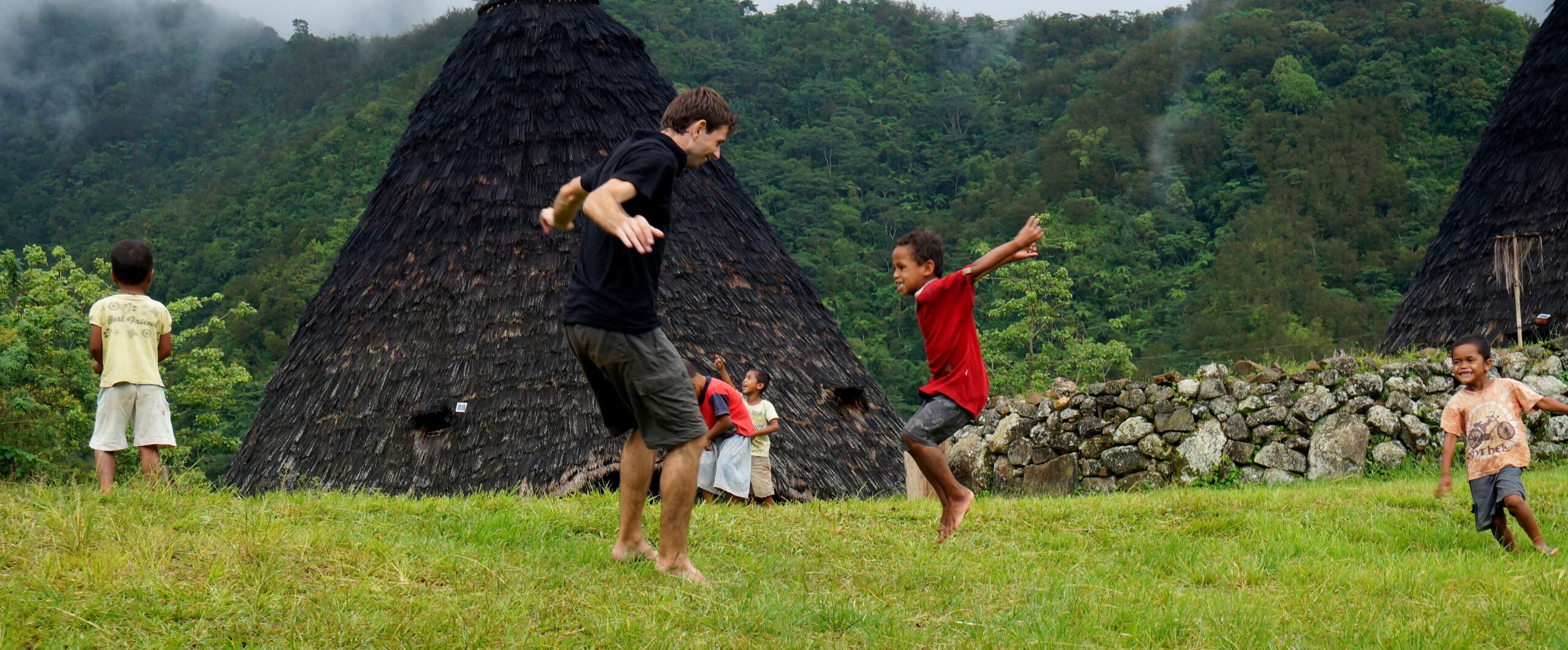
The heartbeat of Wae Rebo revolves around its seven towering conical structures, meticulously constructed from bamboo and palms. In the spaces between these majestic homes lies a communal grassy area, where the rhythms of daily life unfold – a playground for children, a workspace for the villagers, and a stage for their colourful performances and sacred ceremonies.
The fertile forest enveloping the village is a bountiful provider, yielding crops and resources that satisfy nearly all their needs. It’s a harmonious existence with nature that has endured through generations.
To help us navigate the customs and traditions of Wae Rebo, Blasius, a kind local, arranged for Gabriel (150,000 Rupiah) to be our guide. Gabriel, though not proficient in English, was our conduit to the village’s culture, with our driver accompanying us to bridge the language gap. His guidance was indispensable, as customs and cultural protocols are paramount when arriving, offering gifts, and gaining acceptance in the village. Gabriel remained our steadfast companion throughout our two-day sojourn, proving his worth many times over.
Our trek to Wae Rebo began early, with a 6:15 am start. After a hearty breakfast, leaving behind any unnecessary luggage with Pak Blasius, a gesture that symbolized our deep dive into the heart of this traditional village.
Wae Rebo is a place that defies the rush of modernity, offering an authentic experience that connects visitors with the ageless heritage and simplicity of the Manggarai people. This was a day etched in the pages of my travel diary as one of discovery, cultural immersion, and a deep appreciation for a way of life that remains true to its roots.
Trekking to Wae Rebo: A Journey Through Diverse Terrain
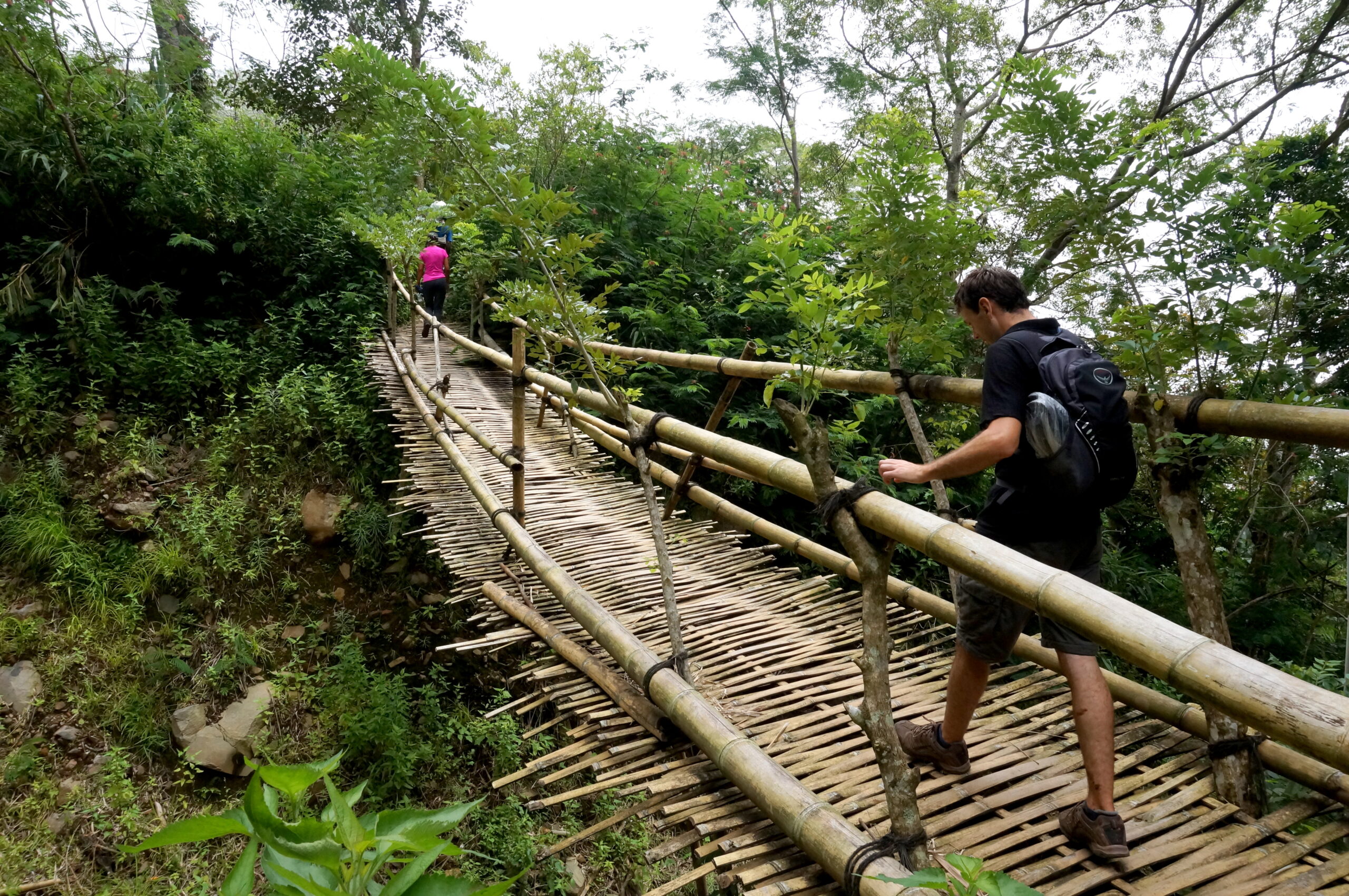
The hike to Wae Rebo covers approximately 8 kilometres of diverse terrain. As you begin your journey, you are welcomed by a sprawling stream with mesmerising waterfalls, offering the perfect spot for a well-deserved rest after about 80 minutes of leisurely walking. This initial stop provides an introduction to the unique Wae Rebo custom of personal introductions, where locals greet you warmly and inquire about your name and place of origin. This unhurried and friendly exchange is a charming tradition that embodies the spirit of the village.
En route, you’ll encounter a multitude of locals engaged in various activities. Some are carrying coffee down to sell at the market, while others are transporting rice up the trail. It’s not uncommon to see children descending from the village to spend their school weeks with relatives in Denge or Kombo.
The next rest stop occurs after covering a few more kilometers, and the terrain becomes more uphill. Despite the uphill climb, the trail remains in good condition, although recent heavy rains may have left some sections slippery, with the occasional evidence of landslides. Signposts appear approximately every 100 meters, keeping you informed about your progress in relation to Wae Rebo.
At around 2,800 meters to go, you’ll reach another rest stop that offers stunning views into the valley below, with mist weaving through the mountains, creating an ethereal atmosphere. Another 1 kilometre ahead, and you’ll find yourself on the rim of the crater, a distinctive feature as Wae Rebo is nestled within the caldera of an ancient volcano. From this point, it’s a level path for the final kilometre, a gradual descent that leads you to the welcoming village of Wae Rebo.
Embracing Tradition: Announce Arrival and Adhering to Village Customs in Wae Rebo
- Announcement at the Viewing Platform: The first structure you encounter serves as a viewing platform, offering a splendid vantage point overlooking the village and the surrounding hills. Here, you’ll find a distinctive bamboo instrument with a split down its foot-long shaft. By shaking it vigorously to create a clapping sound, you alert the village to your presence.
- Greeting the Village Chiefs: It’s important to refrain from taking photographs at this stage. Proceed down the path to the largest, central house. Inside, you will be welcomed by one of the three village chiefs. As a sign of respect and goodwill, it is customary to offer a donation of 10,000 Rupiah or a bag of rice. This gesture allows you to take photographs and formally be accepted into the village.
- Cost for Staying: If you decide to leave Wae Rebo on the same day, there is a departure fee of 100,000 Rupiah. However, for those who wish to experience an overnight stay, the cost is 250,000 Rupiah, which includes all meals.
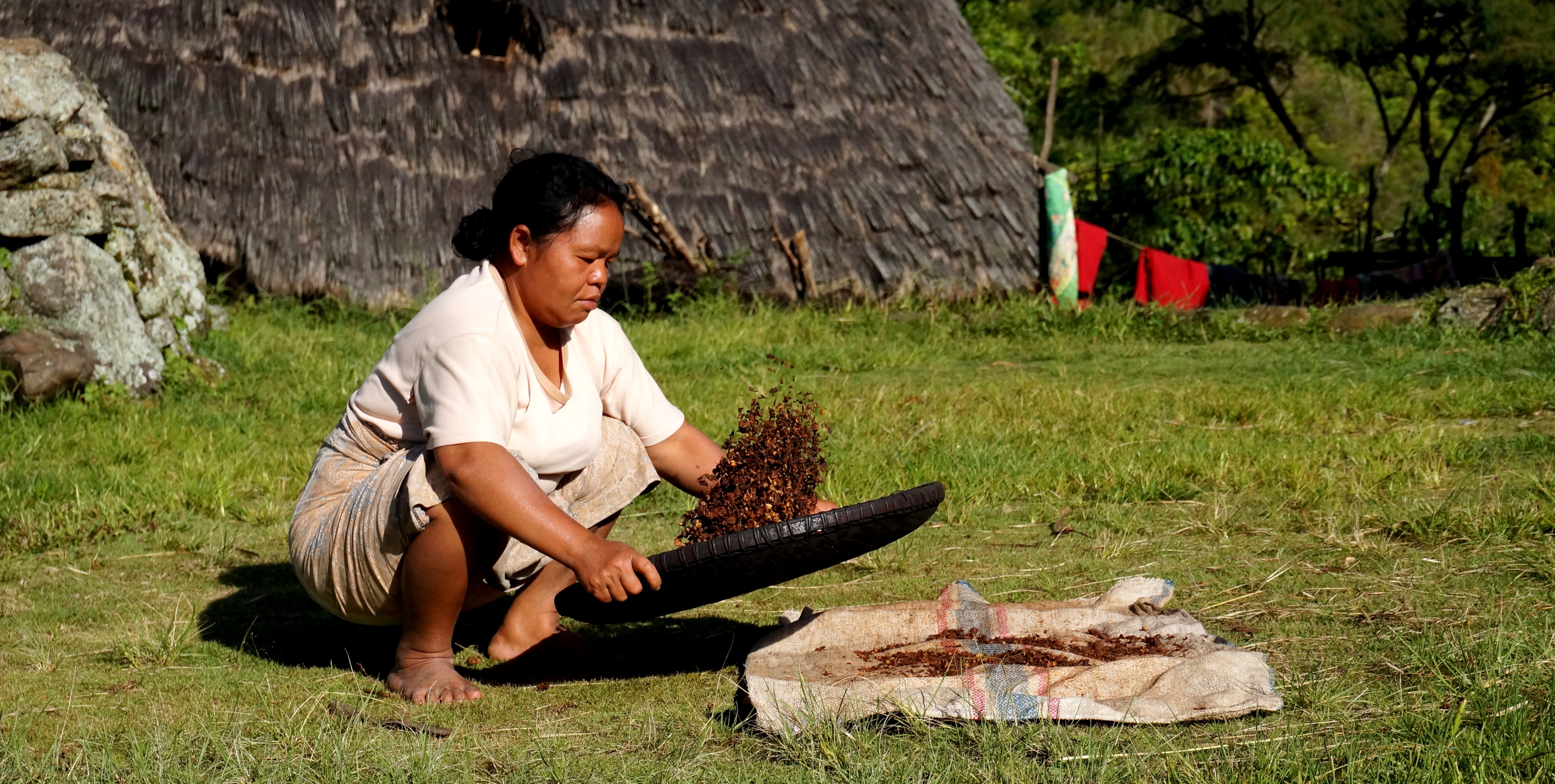
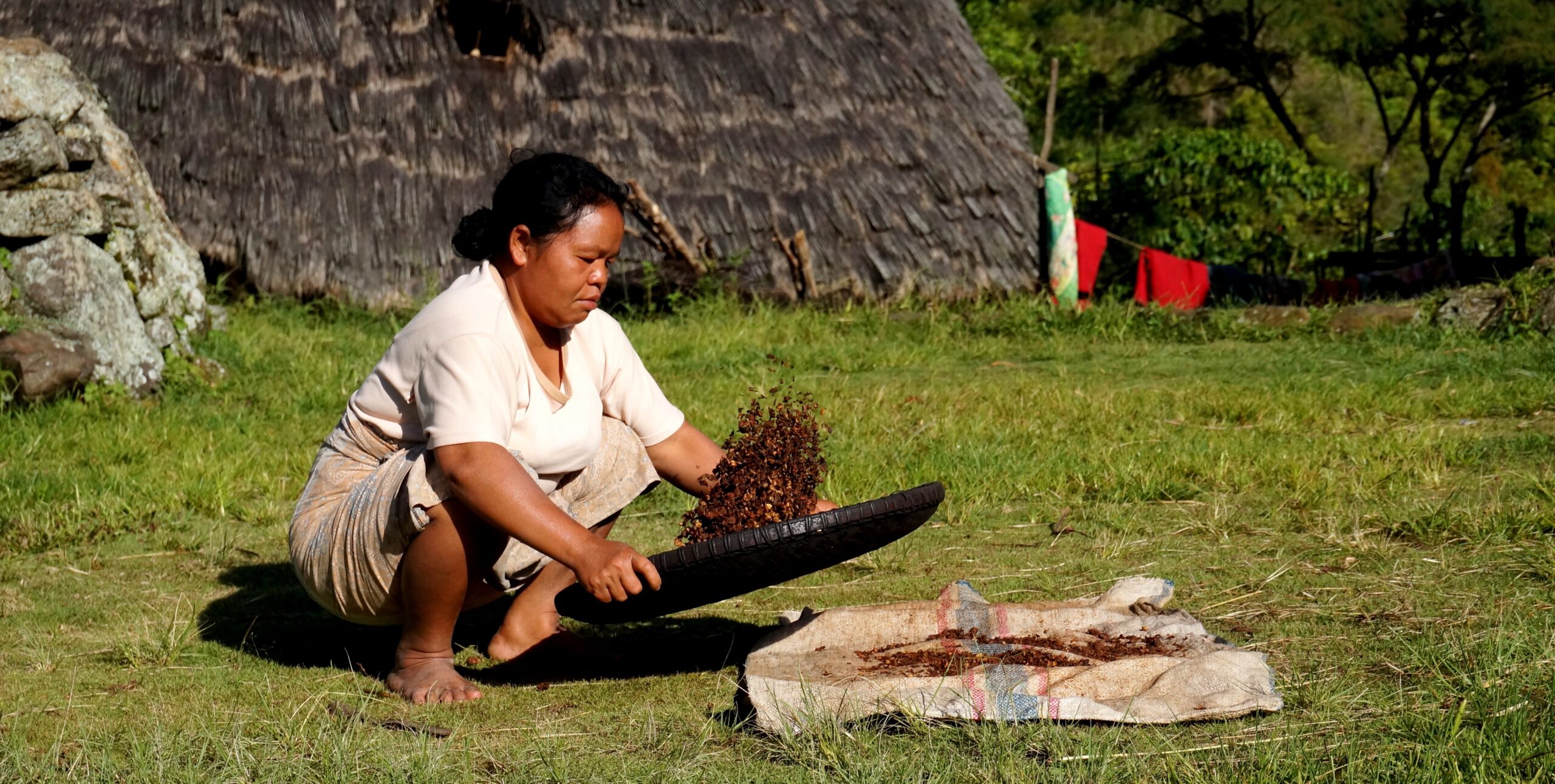
- Traditional Guest House: The guest house, like other traditional houses in the village, is spacious, measuring around 11 meters in diameter and featuring a distinctive conical shape. Sleeping mats are typically arranged around the outer edge. Upon arrival, you’ll be greeted by the house’s owners and offered coffee, tea, or water. The coffee, produced locally, is a highlight and available for purchase in large bags priced at 50,000 Rupiah.
- Delicious Traditional Lunch: Your visit includes a traditional lunch, featuring delectable cassava chips that are incredibly difficult to resist. This culinary experience provides a taste of the local cuisine and a glimpse into the village’s unique way of life.
These customs and interactions with the villagers create a warm and authentic experience that allows visitors to connect with the rich traditions and hospitality of Wae Rebo.
Exploring Life in Wae Rebo
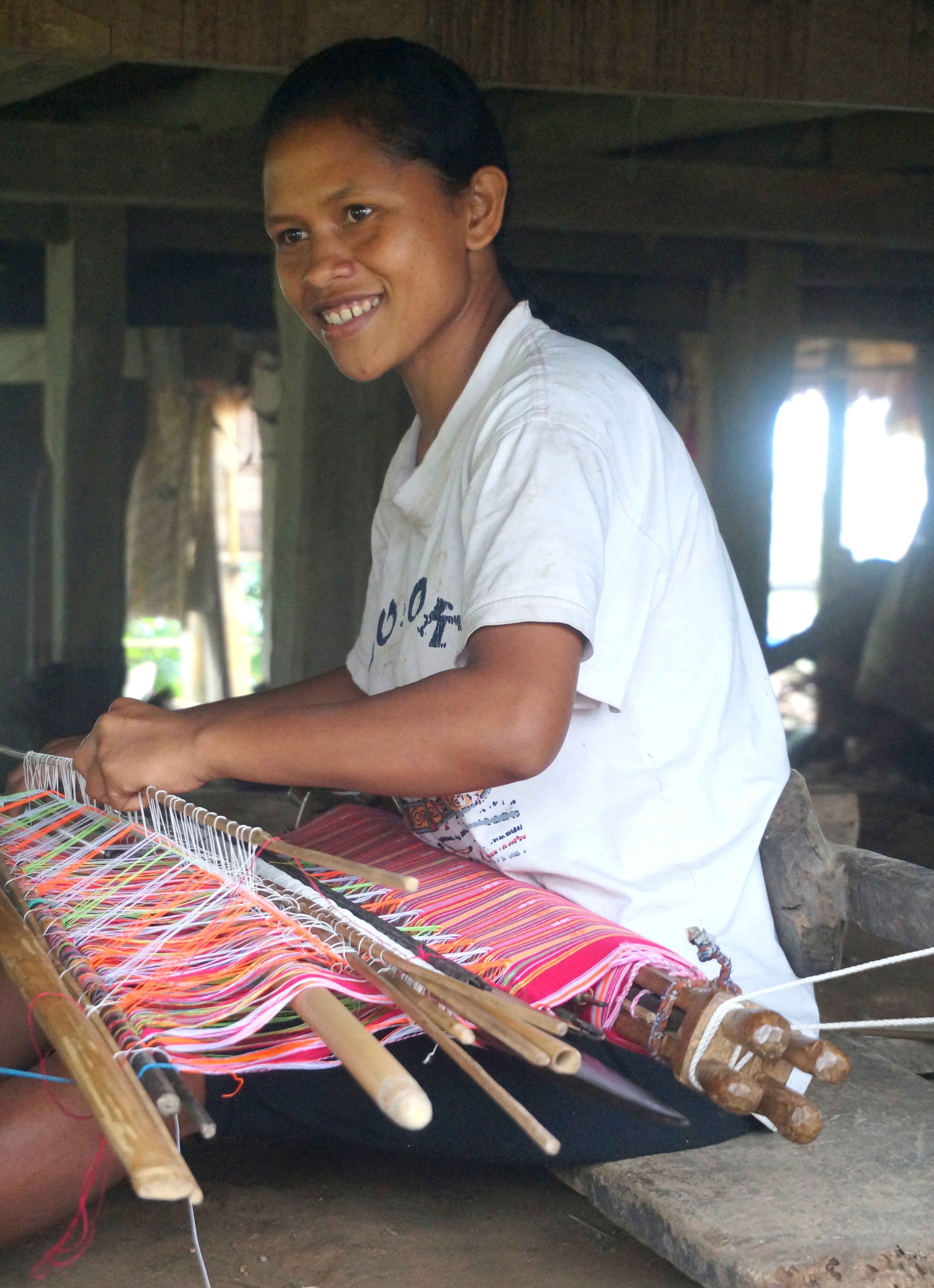
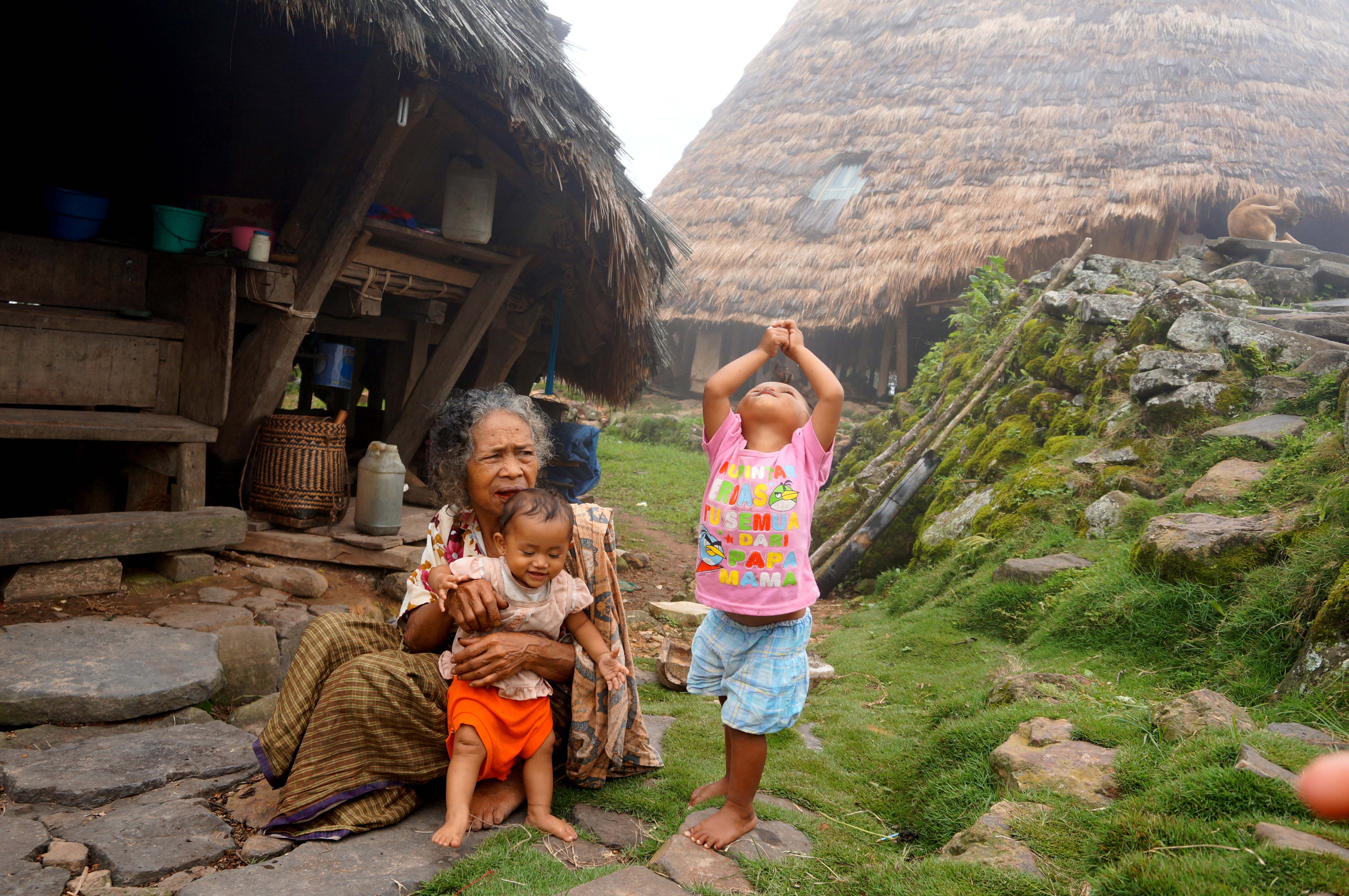
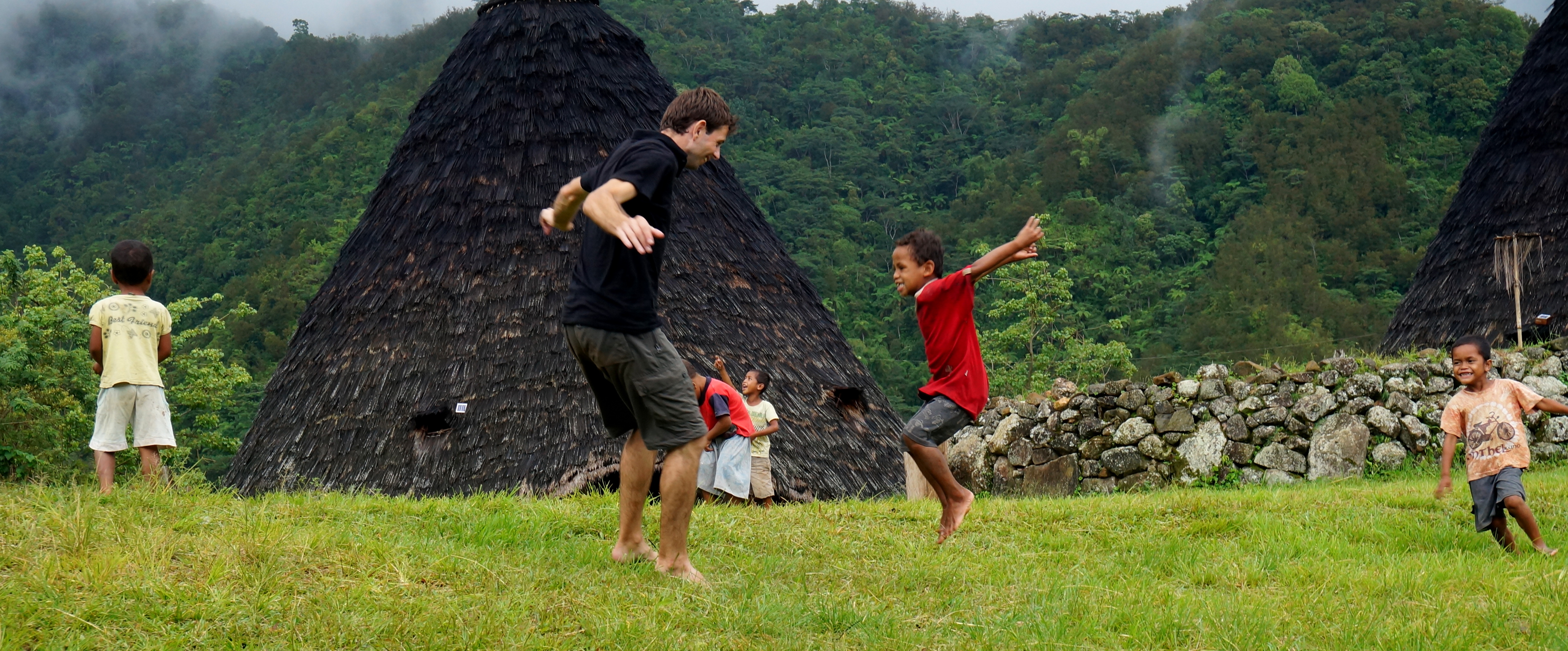
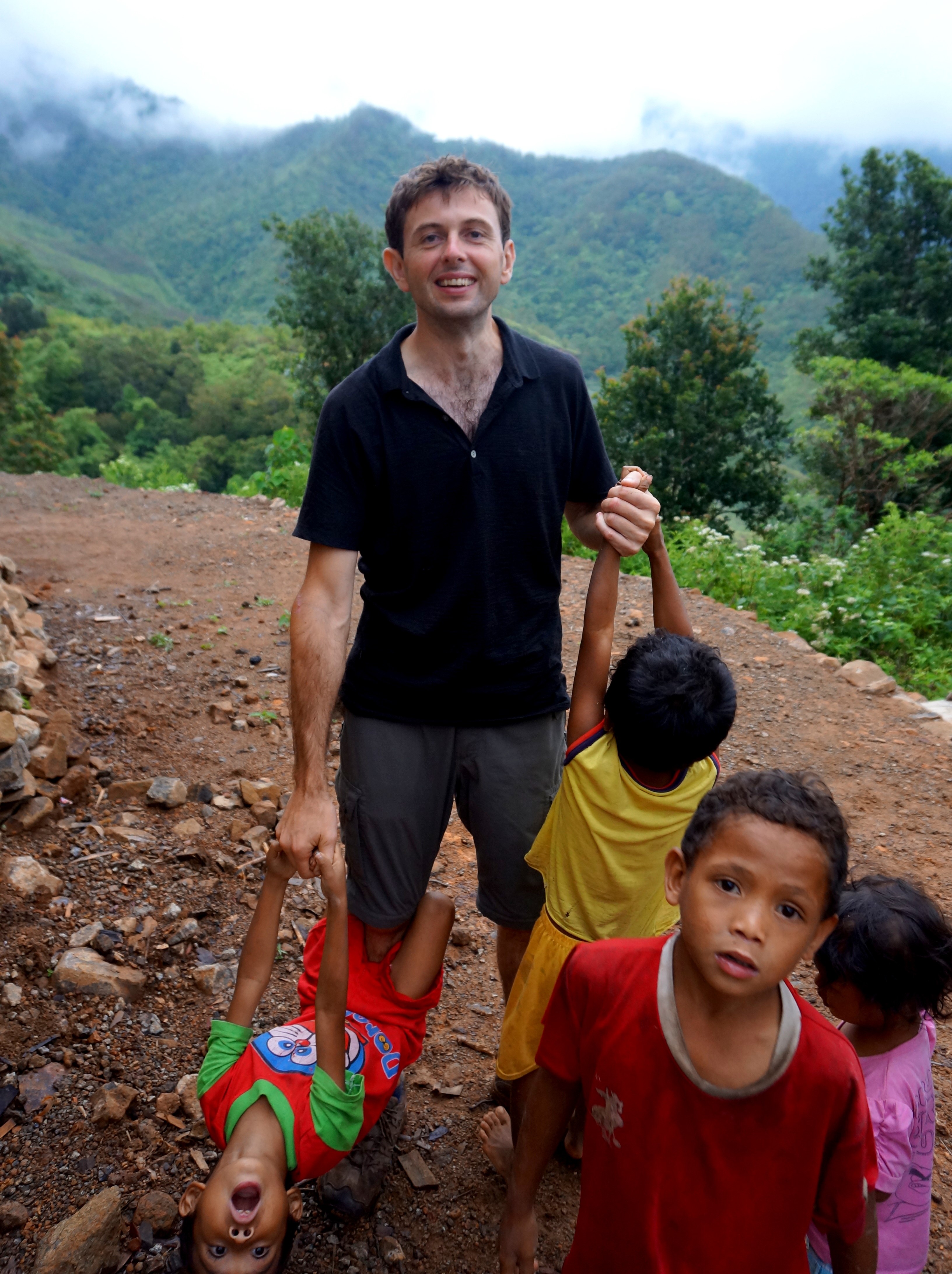
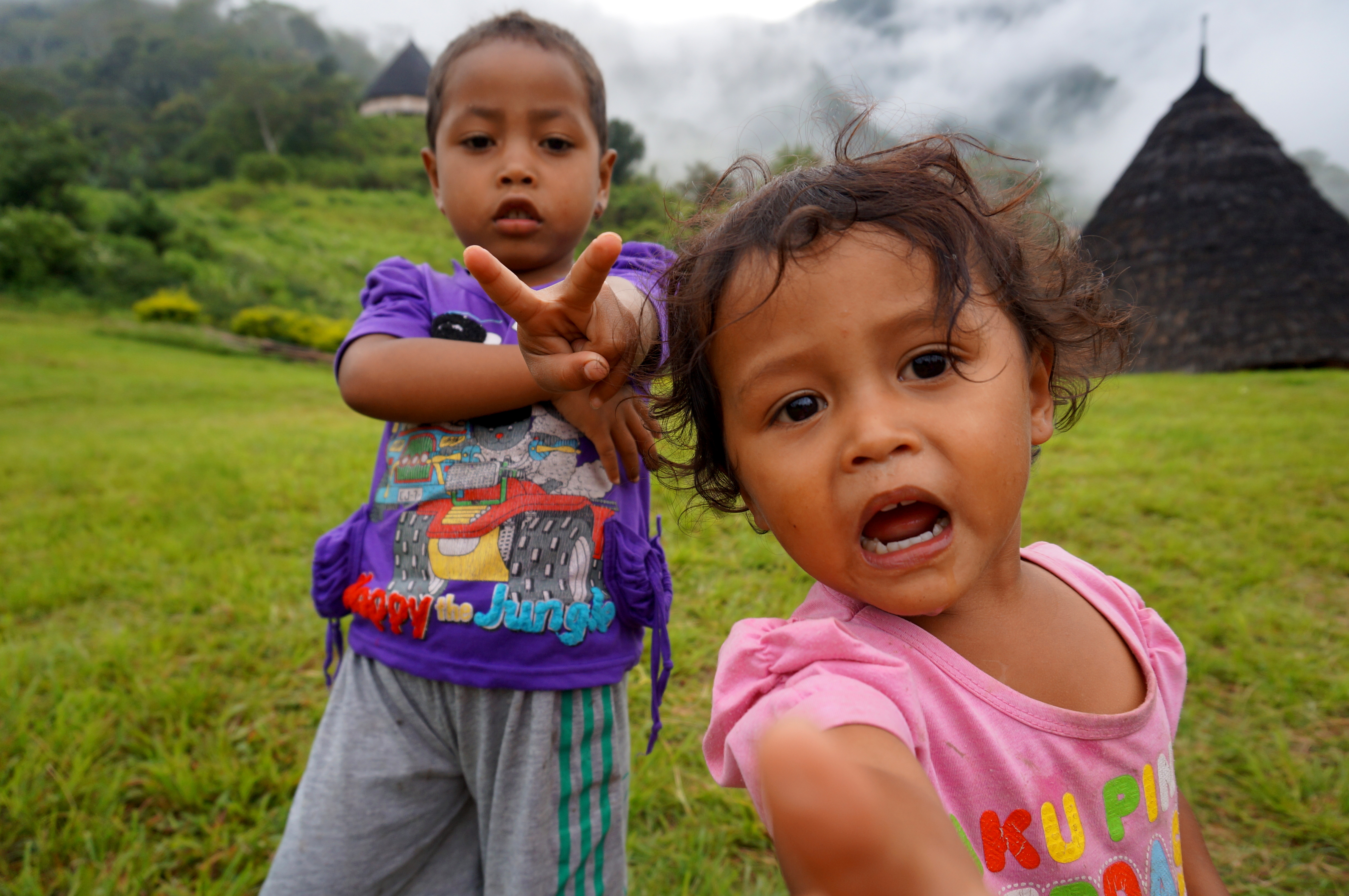
The afternoon was a delightful immersion into the heart of Wae Rebo. I witnessed the intricate art of weaving, where women worked diligently beneath the protective overhang of the houses, sheltered from the rain and sun. The village was bustling with the presence of animals, and I joined in the simple, joyful games played by the children. Their communication was basic, with greetings in English, but their universal language of play bridged the gap. Engaging in games of tag, chasing, kicking a ball, spinning them around, counting games, tickling, and making silly faces. The children’s sense of community and their ability to derive joy from the simplest of things was a heart-warming spectacle.
Change was evident in every corner of the village. Beyond traditional sarongs, the residents now don western clothing. Small solar panels adorned each house, providing central lighting. There were plug sockets and extra lights for when the generator came to life for three hours each night, with rudimentary power lines extending to every hut. Along the outskirts, non-traditional houses made of corrugated iron and timber had sprouted.
Wae Rebo was a treasure trove of edible delights. Even on the journey up encountering chilies, tomatoes, bananas, sweet potatoes, pumpkin, cassava, and coffee plants. The village demonstrated an impressive level of self-sufficiency, with the exception of white sugar and rice (they produced their brown sugar). Breakfast featured cassava in palm sugar syrup, a taste of the village’s unique culinary offerings.
The people of Flores, warm and beautiful, demonstrated the essence of community living, and the day’s experiences left an indelible mark. It was a humbling reminder of the enduring spirit and resourcefulness of Wae Rebo’s residents.